



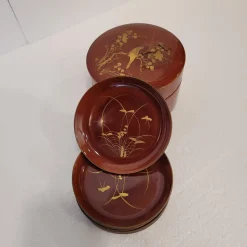

Sale Pamono Vintage Japanese Boxed Plates, 1930s, Set of 10
$138.99
Material: Urushi-e lacquer, wood
Period: 20th century, Showa period (1926-1989)
Country of origin: Japan
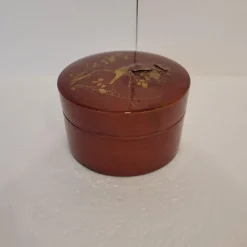
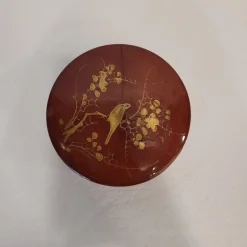
Damage to the box lid, as shown in the images. Plates in good condition for their age and use.
Dimensions:
(10) Plates: 0.75 x 10.5 x 10.5 cm.
(1) Box: 7.5 x 12 x 12 cm.
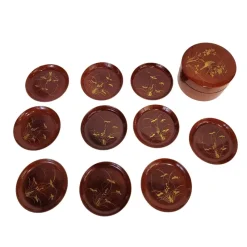
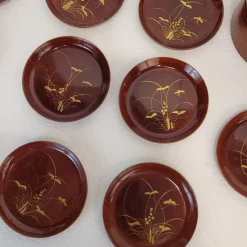
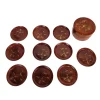
Magnificent set of 10 boxed plates decorated with Japanese urushi lacquer, belonging to the Showa period, 20th century.
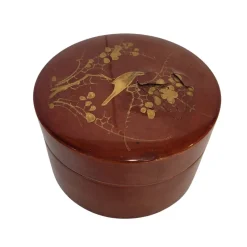
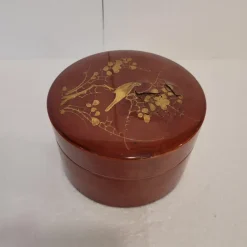
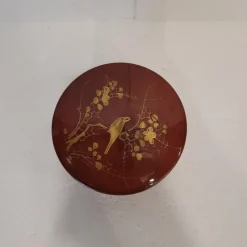
The gilded designs are crafted using the maki-e technique, displaying delicate plant motifs of reeds on the plates, while the box lid is adorned with a bird perched on a flowering branch, both recurring symbols in Japanese aesthetics. These designs are executed in an elegant gold tone on reddish lacquer, the result of the maki-e technique, which consists of sprinkling gold powder onto fresh lacquer placed in the shape of the desired design. A small impact is visible on the box lid.
More about urushi-e
Urushi-e, known in the West as Japanese urushi lacquer, actually emerged far from Japan. It originated, like many other Japanese artistic techniques, in the ancient Chinese empire. The birth of this practice dates back to the 7th century AD. Its plasticity and spectacular finishes caused a sensation, and its use quickly spread throughout Asia. When Europeans discovered it, they fell prey to the Asian influence, and the Orientalist movement swept through the most influential courts. After decades of disuse and being relegated to the display cases of decorative arts museums, this ancient technique is making a comeback with renewed vigor. Furthermore, the lacquer process is very meticulous, slow, and complex, making these objects truly valuable.
The seller assumes all responsibility for this listing.
About This Piece
Vintage Design
Material: Urushi-e lacquer, wood
Period: 20th century, Showa period (1926-1989)
Country of origin: Japan
Damage to the box lid, as shown in the images. Plates in good condition for their age and use.
Dimensions:
(10) Plates: 0.75 x 10.5 x 10.5 cm.
(1) Box: 7.5 x 12 x 12 cm.
Magnificent set of 10 boxed plates decorated with Japanese urushi lacquer, belonging to the Showa period, 20th century.
The gilded designs are crafted using the maki-e technique, displaying delicate plant motifs of reeds on the plates, while the box lid is adorned with a bird perched on a flowering branch, both recurring symbols in Japanese aesthetics. These designs are executed in an elegant gold tone on reddish lacquer, the result of the maki-e technique, which consists of sprinkling gold powder onto fresh lacquer placed in the shape of the desired design. A small impact is visible on the box lid.
More about urushi-e
Urushi-e, known in the West as Japanese urushi lacquer, actually emerged far from Japan. It originated, like many other Japanese artistic techniques, in the ancient Chinese empire. The birth of this practice dates back to the 7th century AD. Its plasticity and spectacular finishes caused a sensation, and its use quickly spread throughout Asia. When Europeans discovered it, they fell prey to the Asian influence, and the Orientalist movement swept through the most influential courts. After decades of disuse and being relegated to the display cases of decorative arts museums, this ancient technique is making a comeback with renewed vigor. Furthermore, the lacquer process is very meticulous, slow, and complex, making these objects truly valuable.
Click here for full descriptionClose description
| Design Period | 1920 to 1949 |
|---|---|
| Production Period | 1930 to 1939, 1940 to 1949 |
| Country of Manufacture | Japan |
| Style | Japanese |
| Detailed Condition | Worn — This vintage/antique item has visible damages, defects, or small missing parts. It may be in need of restoration. |
| Restoration and Damage Details | Light wear consistent with age and use, Heavy signs of use, Desperfecto en la tapa de la caja, como se muestra en las imágenes. Platos en buen estado para su antigüedad y uso. |
| Product Code | NUC-2347514 |
| Materials | Wood, Lacquer |
| Color | Gold, maroon |
| Height | 8 cm 3.0 inch |
| Diameter | 4.7 inch |
Be the first to review “Sale Pamono Vintage Japanese Boxed Plates, 1930s, Set of 10”
Related products
Cabinets & Wardrobes
Beds & Bedroom Sets


Dining Tables & Sets
New Pamono Vintage Table in Glass and Black Lacquered Metal, 1960s



Login
Reviews
There are no reviews yet.