
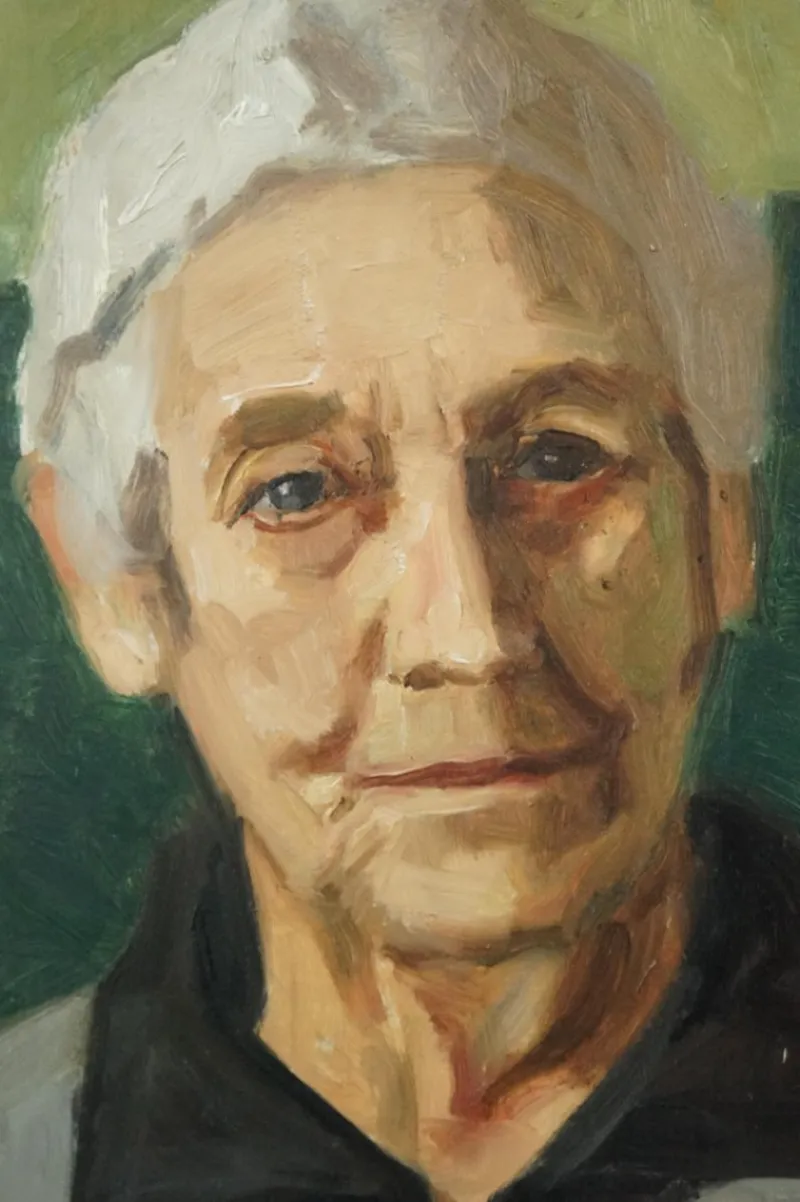
Pamono Bruno Krauskopf, Post-Impressionist Portrait of an Elderly Woman, 20th Century, Oil on Masonite, Framed> Impressionist
$136.99
Beautiful post-impressionist oil painting on masonite of large dimensions, with a frame from the 1940s, depicting the po…
Useful information for evaluating the object:
from our research we find that the first eight auction results for Bruno Krauskopf range from €13,000 up to €23,000 excluding auction fees of 25-30%. Consider that we are all talking about rather old results, which compared to today, considering inflation, would undoubtedly be much higher. For paintings of the same size, depicting very similar portraits, the auction results achieved range from €5,000 to €11,000, always excluding auction fees, based above all on the importance of the auction house that sold the work. Our painting, in our opinion, is one of the most beautiful of the artist’s portraits of the same size and is very close in artistic quality and beauty to those sold between €9,000 and €11,000.
Information on the artist and/or manufacturer:
Bruno Krauskopf was born on March 9, 1892 in the city of Marienburg, West Prussia. At the age of fourteen he moved to Berlin to begin an apprenticeship as a chromolithographer. A scholarship allowed him to begin studying at the Königliches Kunstgewerbemuseum under the guidance of Professor Doeppler in 1910. Between 1913 and 1920 he began his graphic activity, consisting mainly of lithographs, but to which were added woodcuts and linocuts. In 1916 Krauskopf joined the “Freie Berliner Sezession”, but soon Lovis Corinth managed to convince him to move to the “Berliner Sezession”. In 1918 he was elected a member of the board of directors and the jury, where he remained until 1933, exhibiting his works at annual exhibitions. Krauskopf participated in the founding of the “Novembergruppe” and was part of its working committee together with Max Pechstein, Rudolf Belling and Erich Mendelsohn. Already at the beginning of the twenties, Krauskopf’s pictorial style changed: the color palette became fresher and brighter, the pasty application of color indicated a more decisive inclination towards Impressionism. Personal exhibitions followed at the Flechtheim, Gurlitt and Victor Hartberg galleries in Berlin. Numerous awards testify to Krauskopf’s growing success. Trips to Poland and France between 1927 and 1932 inspired the artist’s work, but his success came to an abrupt end with the Nazis’ rise to power. When he refused to adapt to the official style, his art was declared “degenerate”. The political pressure soon became unbearable and Krauskopf emigrated to Norway in 1933, where he settled in Stavanger. Here he was surrounded by a landscape that perfectly suited his inclinations in light, color and tectonics. This quiet life, in which he could concentrate on his work, did not last long, however, as Norway was occupied and he had to leave again. He went to America, where it took him some time to be accepted. Two New York galleries introduced Krauskopf to the American art world, and by 1952 he was already celebrated as a contemporary American artist at the Carnegie International Exhibition in Pittsburgh. In 1957 Krauskopf returned to Berlin, where he died three years later, on 23 December 1960, following a serious illness. Krauskopf always considered himself a painter “who only knows how to paint and nothing else”, a dedication and passion evident in his work.
Total weight of the painting: 3,419 kg
The seller assumes all responsibility for this listing.
About This Piece
Useful information for evaluating the object:
from our research we find that the first eight auction results for Bruno Krauskopf range from €13,000 up to €23,000 excluding auction fees of 25-30%. Consider that we are all talking about rather old results, which compared to today, considering inflation, would undoubtedly be much higher. For paintings of the same size, depicting very similar portraits, the auction results achieved range from €5,000 to €11,000, always excluding auction fees, based above all on the importance of the auction house that sold the work. Our painting, in our opinion, is one of the most beautiful of the artist’s portraits of the same size and is very close in artistic quality and beauty to those sold between €9,000 and €11,000.
Information on the artist and/or manufacturer:
Bruno Krauskopf was born on March 9, 1892 in the city of Marienburg, West Prussia. At the age of fourteen he moved to Berlin to begin an apprenticeship as a chromolithographer. A scholarship allowed him to begin studying at the Königliches Kunstgewerbemuseum under the guidance of Professor Doeppler in 1910. Between 1913 and 1920 he began his graphic activity, consisting mainly of lithographs, but to which were added woodcuts and linocuts. In 1916 Krauskopf joined the “Freie Berliner Sezession”, but soon Lovis Corinth managed to convince him to move to the “Berliner Sezession”. In 1918 he was elected a member of the board of directors and the jury, where he remained until 1933, exhibiting his works at annual exhibitions. Krauskopf participated in the founding of the “Novembergruppe” and was part of its working committee together with Max Pechstein, Rudolf Belling and Erich Mendelsohn. Already at the beginning of the twenties, Krauskopf’s pictorial style changed: the color palette became fresher and brighter, the pasty application of color indicated a more decisive inclination towards Impressionism. Personal exhibitions followed at the Flechtheim, Gurlitt and Victor Hartberg galleries in Berlin. Numerous awards testify to Krauskopf’s growing success. Trips to Poland and France between 1927 and 1932 inspired the artist’s work, but his success came to an abrupt end with the Nazis’ rise to power. When he refused to adapt to the official style, his art was declared “degenerate”. The political pressure soon became unbearable and Krauskopf emigrated to Norway in 1933, where he settled in Stavanger. Here he was surrounded by a landscape that perfectly suited his inclinations in light, color and tectonics. This quiet life, in which he could concentrate on his work, did not last long, however, as Norway was occupied and he had to leave again. He went to America, where it took him some time to be accepted. Two New York galleries introduced Krauskopf to the American art world, and by 1952 he was already celebrated as a contemporary American artist at the Carnegie International Exhibition in Pittsburgh. In 1957 Krauskopf returned to Berlin, where he died three years later, on 23 December 1960, following a serious illness. Krauskopf always considered himself a painter “who only knows how to paint and nothing else”, a dedication and passion evident in his work.
Total weight of the painting: 3,419 kg
Click here for full descriptionClose description
| Period | 1920 to 1949 |
|---|---|
| Production Period | 1950 to 1959 |
| Country of Manufacture | Germany |
| Identifying Marks | This piece has an attribution mark |
| Style | Impressionist, Portraiture |
| Detailed Condition | Excellent — This vintage/antique piece is in near original condition. It may show minimal traces of use and/or have slight restorations. |
| Product Code | LXG-2201585 |
| Restoration and Damage Details | Ottime condizioni generali. Vedi foto. |
| Materials | Oil |
| Color | Multicolored |
| Width | 67 cm 26.4 inch |
| Depth | 5 cm 1.8 inch |
| Height | 86 cm 33.7 inch |
Be the first to review “Pamono Bruno Krauskopf, Post-Impressionist Portrait of an Elderly Woman, 20th Century, Oil on Masonite, Framed> Impressionist”
Related products

Daybeds & Chaises Lounges

Children's Chairs

Children's Chairs
Coffee & Side Tables
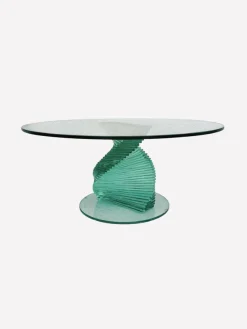
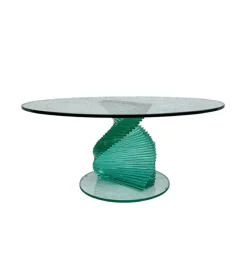
Sale Pamono Helix Spiral Sculptural Glass Coffee Table in the style of Danny Lane, 1980s
Cabinets & Wardrobes


Cabinets & Wardrobes
Login

Reviews
There are no reviews yet.